


Assessing Your Lifestyle Requirements
Your daily routine should be the starting point when choosing the perfect handbag. Basically, if you travel by bus or train, you need the same crossbody bag with anti-theft features for safety. A structured tote with a laptop compartment and document sleeves is handy for busy professionals and further helps them organise their work items properly. Parents actually need bags with many pockets and washable insides. They definitely want hands-free bags like backpacks that they can carry easily.
Please list your daily essentials to understand your routine better. As part of your daily routine, do you take your water bottle with you wherever you go? Per bag selection requirements, choose bags with elastic side pockets for improved functionality.
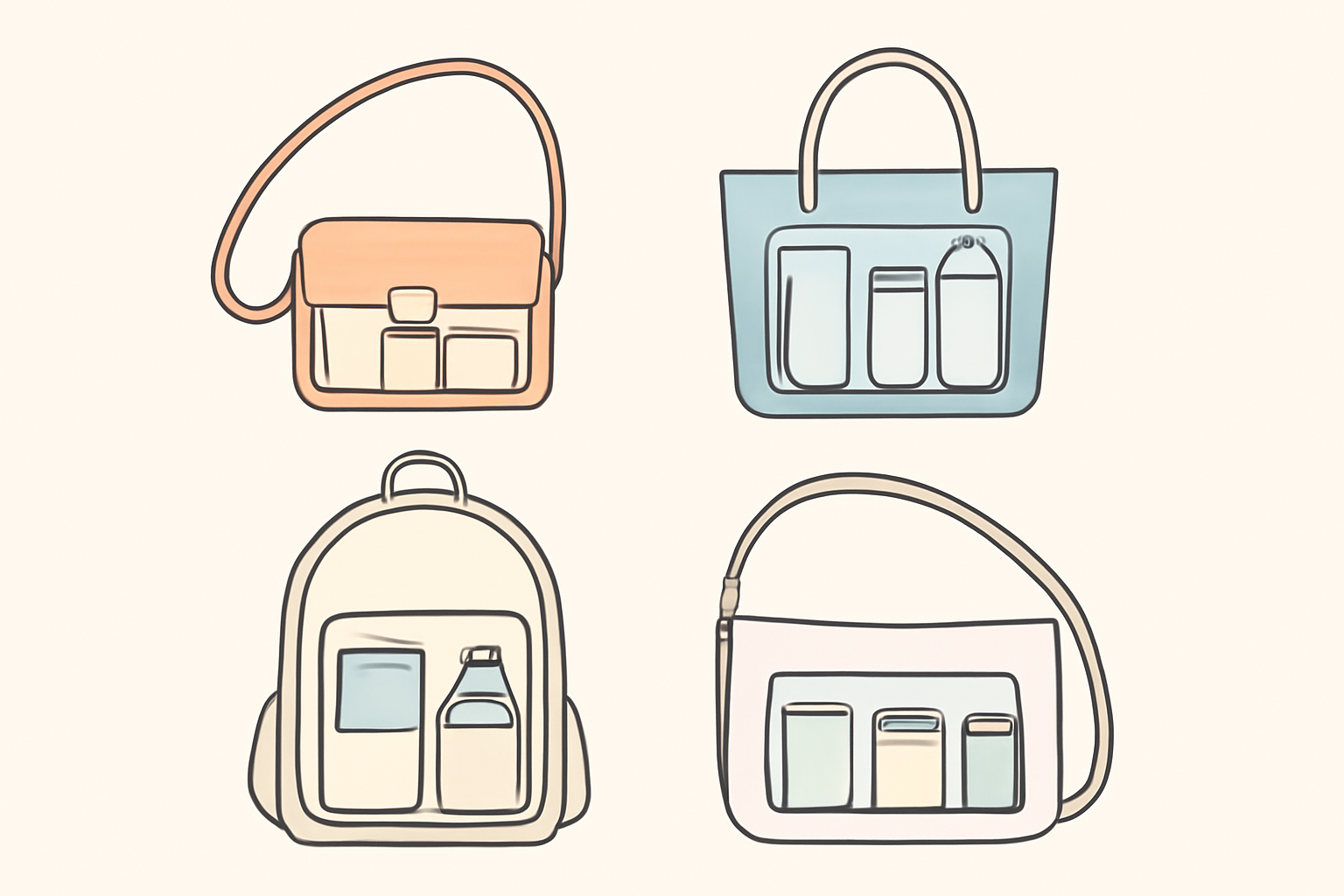
The phone itself requires further quick access for immediate use. Consider styles that have dedicated phone sleeves on the outside. Moreover, such external pockets provide easy access to your device. We are seeing that carrying makeup for touch-ups only helps when needed during the day. We are witnessing that bags with small pockets inside only help to keep your things in proper order.
The frequency of switching bags is surely another crucial factor. Moreover, how often one changes bags is essential. Some women prefer the same capsule-collection approach, with specific bags for work, weekends, and evening occasions. Others want the same bag that works for different situations. If you are actually in this group, you should definitely choose neutral colours and simple shapes with straps that can be changed. Fashion experts further suggest that a good everyday bag should match 70% of the clothes in your wardrobe.
Identifying Ideal Size and Weight
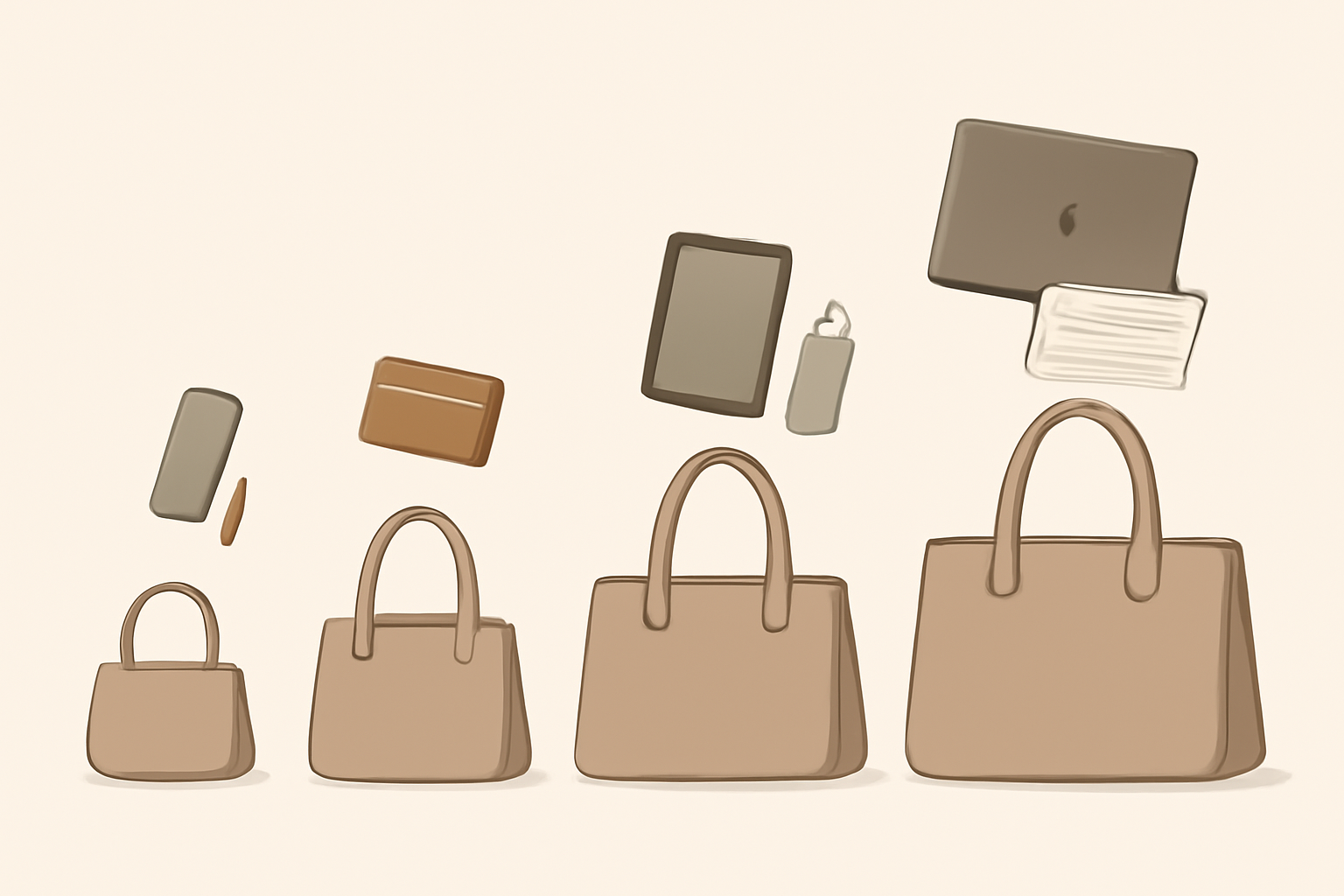
The perfect bag size actually balances how much you can carry with how it looks on your body. You definitely need a bag that holds your things and fits you correctly. As per size limits, mini bags under 6 inches can have only basic items regarding daily needs - phone, cards, keys, and lipstick. As per size requirements, small bags of 6-10 inches can hold basic items plus a small wallet and sunglasses. Medium bags actually fit all these things, plus you can definitely add a small water bottle, notebook, or tablet. Large bags that are 14+ inches can carry the same stuff, like laptops, documents, gym clothes, or extra shoes.
The weight of the bag is often ignored, but it is essential. As per actual use, a bag that feels light in the shop becomes very heavy when carrying your items. You should test bags by putting in a weight similar to your everyday items. You should check the empty weight, since the thick leather and heavy parts make the bag much heavier before you put anything inside.
The comfort of the strap itself can further determine whether your experience becomes good or bad. The shoulder bags with wider straps better distribute the weight and prevent painful cutting into the shoulder. Moreover, crossbody bags have adjustable straps that can be further adjusted to fit your height and style of wear. The strap itself can be made longer or shorter as needed. Further, according to bag experts, the handle drop should be 7-9 inches to allow comfortable arm movement for most women.
Choosing Appropriate Materials for Durability and Maintenance
Leather options vary significantly in terms of durability and maintenance requirements. Full-grain leather, while expensive, develops a beautiful patina and can last for decades with proper care. Top-grain leather offers good durability at a more affordable price. Patent leather is weather-resistant but may crack over time. Vegan alternatives have significantly improved—look for high-quality microfiber or plant-based options that won't crack or peel.
When considering your lifestyle needs, consider specialised materials. Canvas is lightweight and durable, often available at accessible price points. Nylon and technical fabrics provide excellent water resistance, making them ideal for rainy climates. Microfiber can mimic suede while offering superior stain resistance.
Be honest about your maintenance needs. Can you condition leather twice a year? Are you prepared to handle dry cleaning for fabric bags? As material experts say, "The best bag material isn't necessarily the most expensive, but the one that suits your maintenance tolerance."
Budget Considerations and Investment Value
Based on usage calculations, a ₹2000 bag used 200 times costs ₹10 per use, offering better durability than a ₹1000 bag that breaks after only 20 uses. Moreover, as per quality standards, good products have tight stitching, metal parts instead of plastic, clean edges, and strong lining materials. Regarding hardware, metal fittings are more durable than plastic ones.
Also, mid-range and newer brands offer high-quality products at reasonable prices, helping customers get better value for money. These pieces definitely hold their worth over time. If you are considering luxury investments, some styles retain their resale value well. Investment analysts report that bags are primarily designed for first-time use and do not hold value for resale. Moreover, some luxury bags are overpriced at times and do not become an asset.
When purchasing expensive clothing items, one should choose classic designs in basic colours rather than trendy styles. Moreover, seasonal fashions will quickly look outdated compared to timeless pieces. You should also include maintenance costs in your budget, as premium bags require proper care to retain their value.
Matching Handbags to Your Style and Body Type
Complementing Your Body Shape with the Right Bag Silhouette
Just as certain clothing styles suit specific body types, handbags follow similar guidelines. If you are under 5'2", oversized bags can overwhelm your frame and make you look smaller. Instead, choose small to medium-sized bags with minimal hardware. A crossbody bag that sits at your waist helps create balanced proportions, while mini bags and small totes complement your figure without overpowering it.
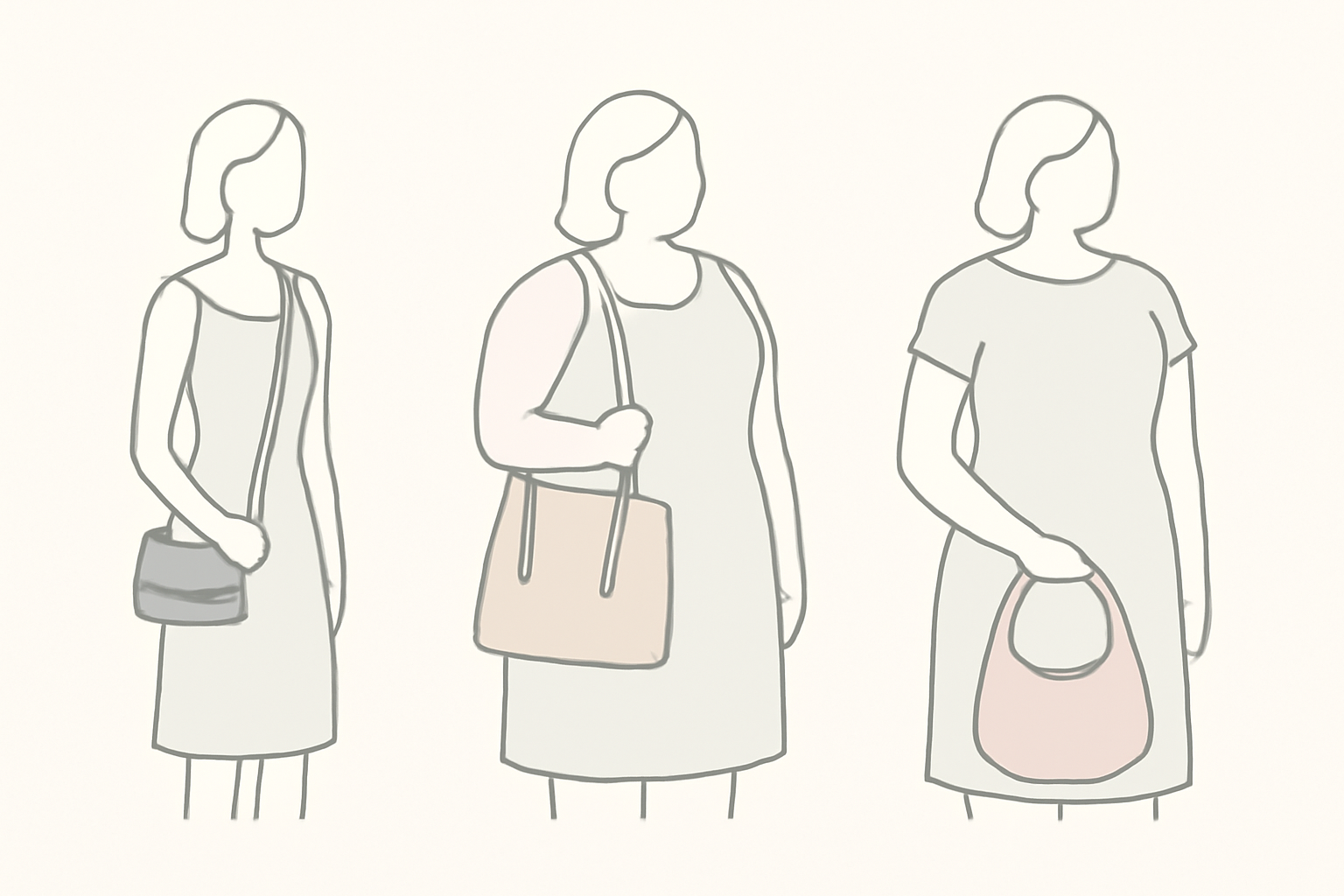
For fuller figures, vertical structures create a lengthening effect. Structured tote bags with clean lines or rectangular satchels draw the eye up and down rather than side to side. Look for bags with longer straps that hit below the hip, creating a diagonal line across the body that adds height visually. Fashion experts recommend avoiding bulky hobos or wide east-west shaped bags that can make you appear wider.
Those with broad shoulders benefit from softer, rounded bag shapes that contrast with angular upper bodies. Slouchy hobos, curved bucket bags, or crescent shapes soften your silhouette. Avoid rigid, boxy bags that mimic your shoulder line; instead, choose styles with some give or drape.
The way you carry your bag matters too. Hand-held bags draw attention to your waistline—great if you're trying to highlight an hourglass shape. Shoulder bags that sit at hip level can minimise a large bust, while crossbodies that hit at the waist accentuate a smaller midsection.
Coordinating Handbags with Your Wardrobe Palette
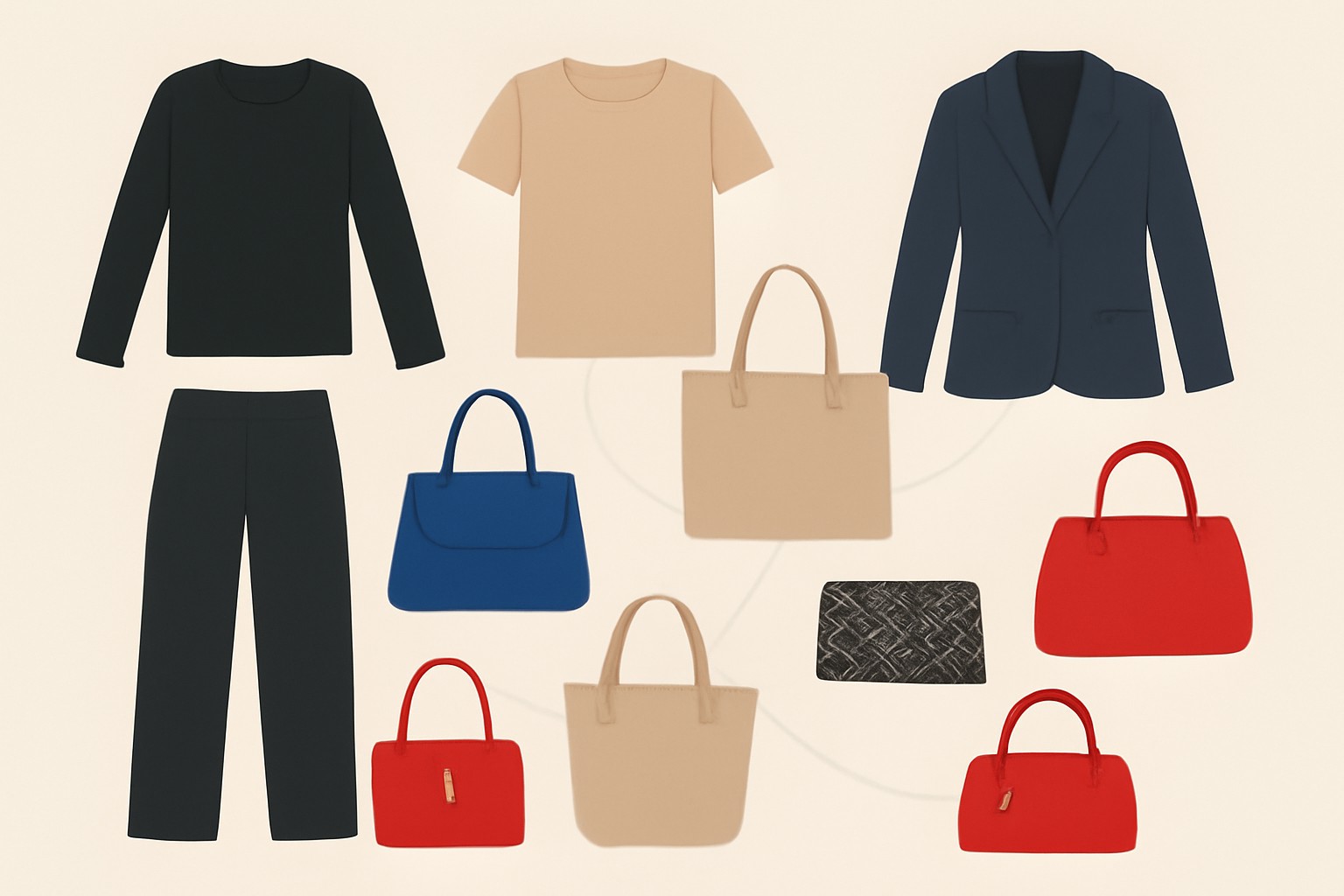
When building a handbag collection, start with versatile neutrals that pair with most outfits. Black, navy, tan, and grey work across seasons and occasions. For those who wear mostly cool tones (blues, greys), silver hardware often coordinates better with your jewellery, while warm wardrobes (browns, creams) typically pair beautifully with gold hardware.
Statement bags in bold colours or patterns shine when your wardrobe contains primarily neutrals. A bright red, cobalt blue, or printed bag can transform simple outfits. Before splurging on a colourful bag, review your closet—will it complement at least 30% of your wardrobe?
Consider using faux leather, canvas, fabric blends, and straw-like textures during the summer. Opt for pastels and ice cream shades such as mint, blush pink, sky blue, and butter yellow, or choose soft neutrals like beige, taupe, and off-white.
Consider transitioning to more water-resistant materials such as coated polyurethane (PU), treated faux leather, and nylon during the monsoon season. Reduce the number of exposed fabric panels that are prone to staining. Avoid using very light fabrics that can easily get soiled at the bottom of bags. While it's good to maintain some brightness during the monsoon, opt for slightly deeper tones that can better withstand splashes and mud, such as teal, deep coral, mustard, olive, and denim blue. Additionally, use darker colors for the base, trims, corners, and straps to help conceal dirt.
Selecting Bags for Different Occasions
Formal events call for elegant, minimal designs. Clutches and minaudières (small, hard-case evening bags) in metallic finishes or with subtle embellishments complement evening wear without competing with it: the rule: the fancier the event, the smaller the bag.
For work, structured tote bags, laptop-friendly satchels, and sleek backpacks balance functionality with polish. Look for interior organisation, secure closures, and shoulder straps for commuting comfort. Materials should be scratch-resistant and maintain their shape throughout the day.
Day-to-night versatility comes from convertible bags with removable straps. A satchel with a detachable crossbody strap works for the office but transforms into a handheld bag for evening drinks.
Incorporating Current Trends While Maintaining Timelessness
The secret to smart handbag investing lies in distinguishing between passing fads and timeless design. When trends emerge, ask yourself: "Will this still look good next year?" Certain trend elements have staying power—like a classic bag in a fresh colour or with updated hardware.
Spend more on everyday neutral bags with classic/practical silhouettes, while experimenting with trends through less expensive statement pieces. The concept of “DOODLUXE” is based on the belief that a personalised handbag can help individuals express their unique identities. Even a minor customisation can enhance the way one showcases their personal style.
